Helpline
+27 31 572 3632
Helpline
+27 31 572 3632Waste management is crucial for maintaining a sustainable environment and minimizing the impact of waste
Waste management refers to the collection,transportation,processing,recycling and disposal of waste materials,aiming to reduce its environmental and health impacts.
Proper waste management minimizes air,soil and water pollution associated with landfill leachate ,methane emissions and hazardous waste.
Proper waste disposal prevents habitat destruction and reduces impact on wildlife and marine ecosystems.
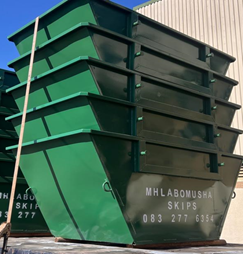
The benefits of effective waste management are multifaceted and contribute significantly to environmental protection, public health, resource conservation and economic sustainability.
Effective waste management not only addresses environmental and health concerns but also supports economic growth, community well-being and sustainable development goals.
Challenges include inadequate infrastructure, illegal dumping, lack of public awareness, funding constraints and managing hazardous waste safely and sustainably.
Waste types include municipal solid waste, industrial waste, hazardous waste, biomedical waste, electronic waste and construction and demolition debris.
Effective waste management prevents pollution, conserves resources, reduces greenhouse gas emissions and promotes sustainable use of natural resources.
